This site uses cookies to store information on your computer. Some of these cookies are essential to make our site work and others help us to improve by giving us some insight into how the site is being used. By using our site you accept the terms of our Privacy Policy.
Privacy Policy
0
Loading
This site uses cookies




Safety equipment (boiler valve, safety valves)
13
models




Radiator fittings
10
models


Safety equipment (boiler valve, safety valves)
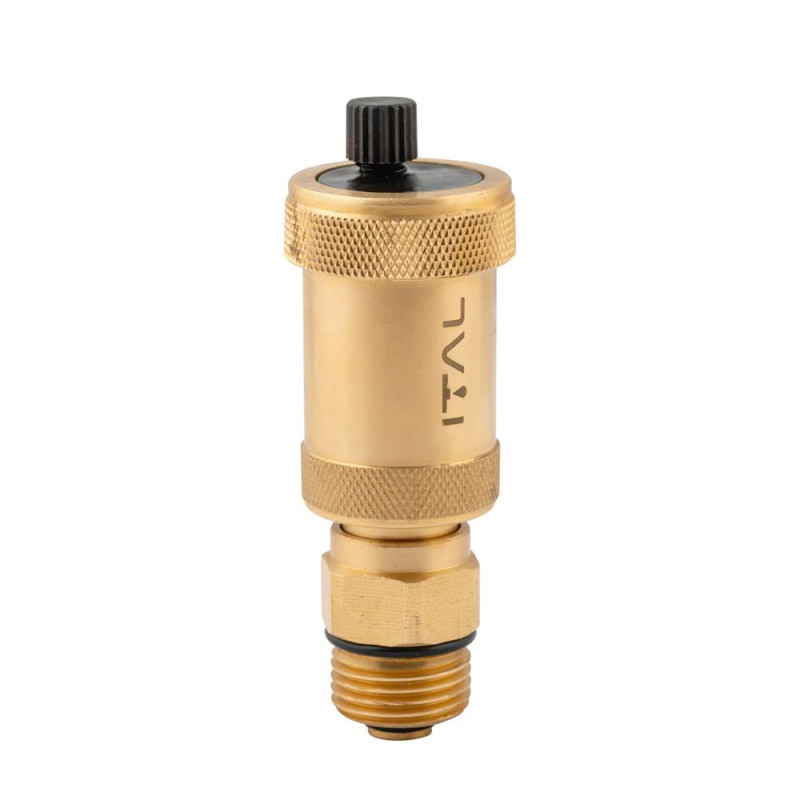
Air vent ITALGAS I-35 with valve, automatic, straight, 1/2"
SKU: 1048629
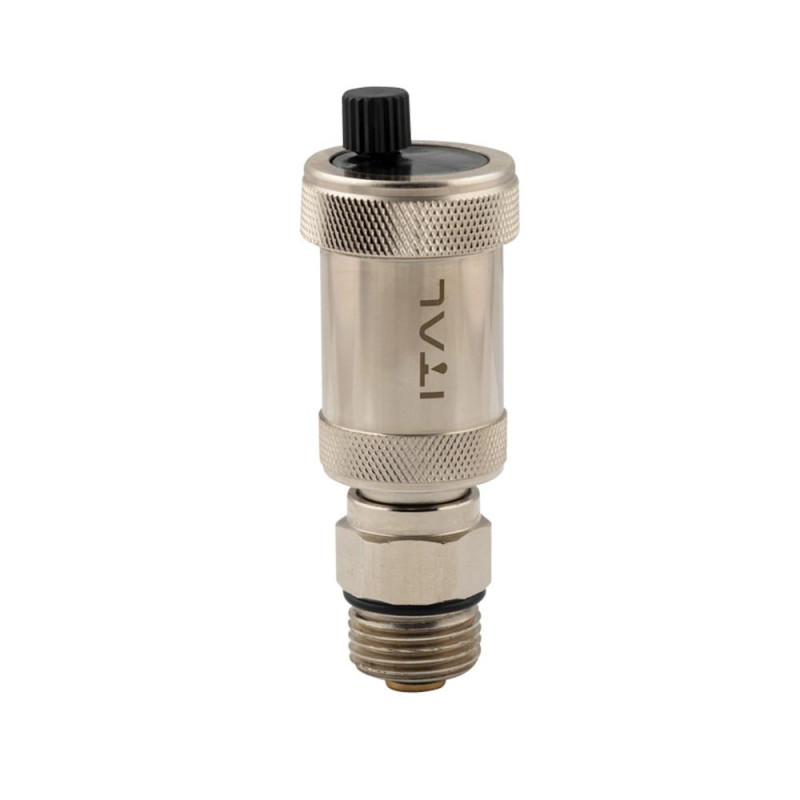
Air vent ITALGAS I-36 with valve, automatic, straight, 1/2", nickel
SKU: 1048630
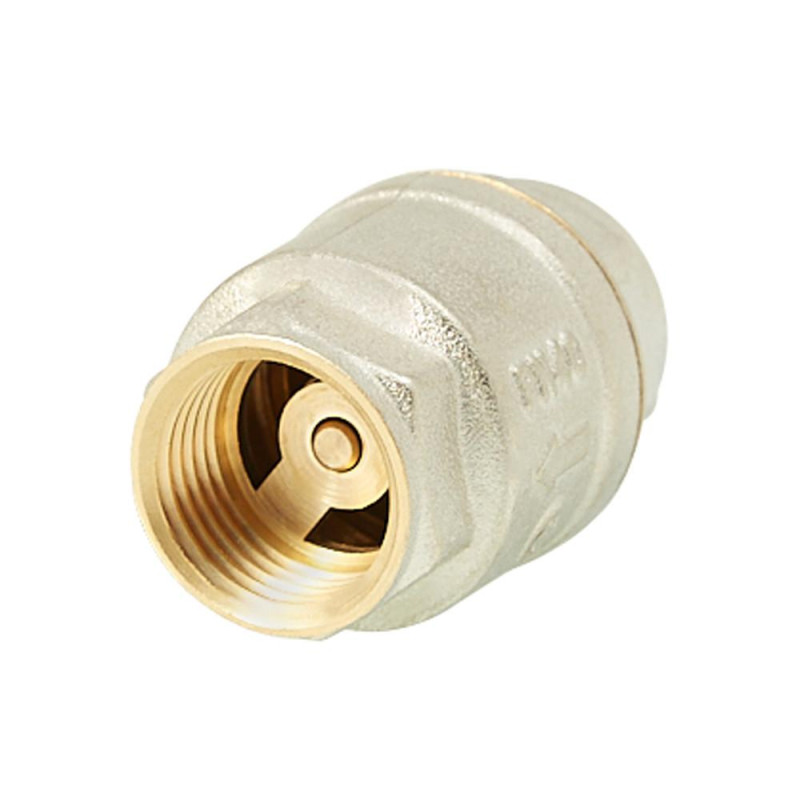
Check valve ITALGAS 1" spring, nickel
SKU: 1046039
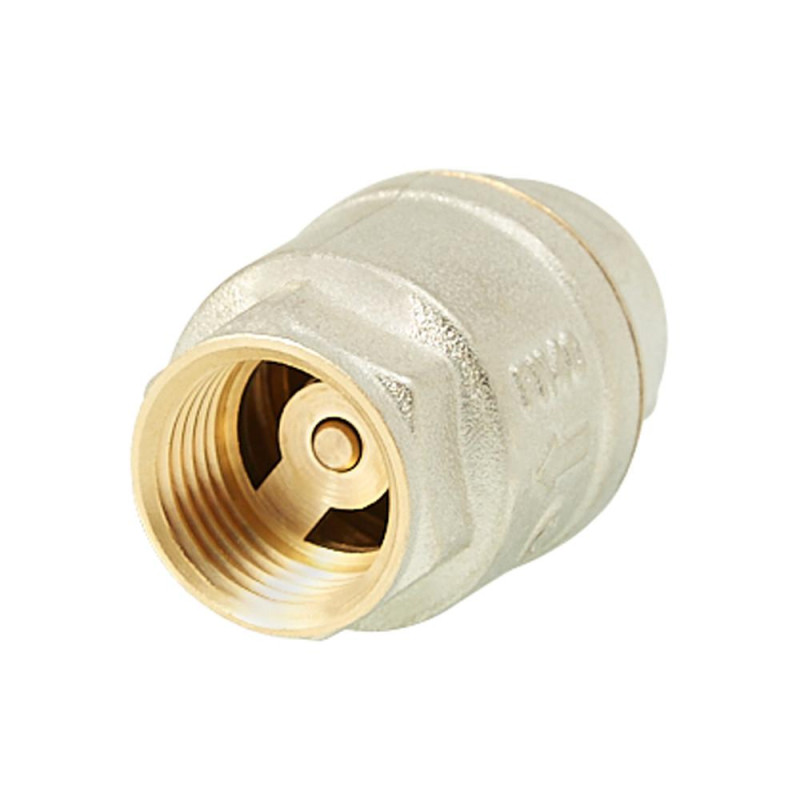
Check valve ITALGAS 1/2" spring, nickel
SKU: 1046037
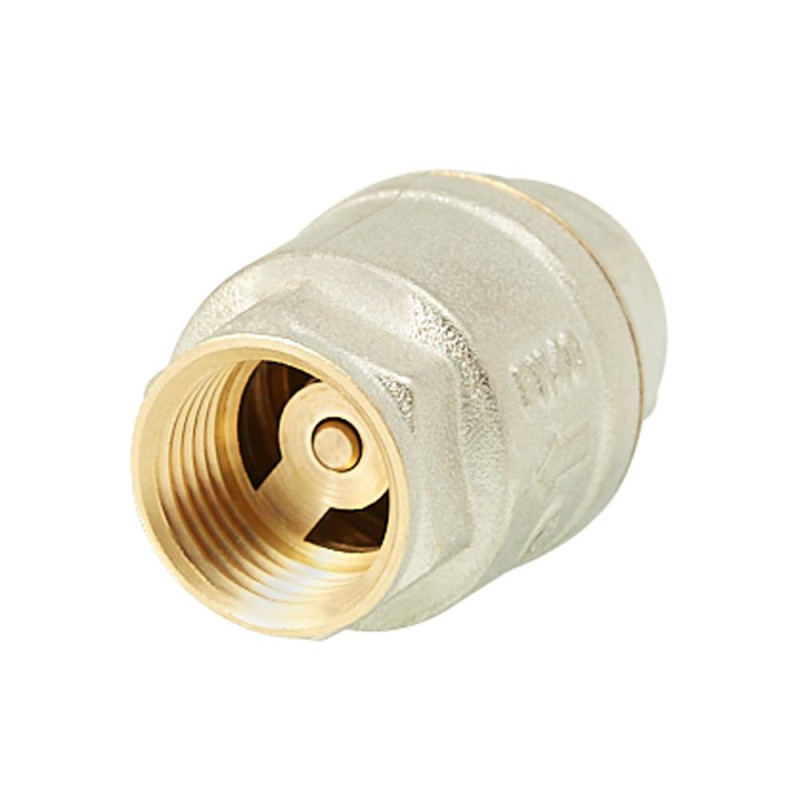
Check valve ITALGAS 3/4" spring, nickel
SKU: 1046038
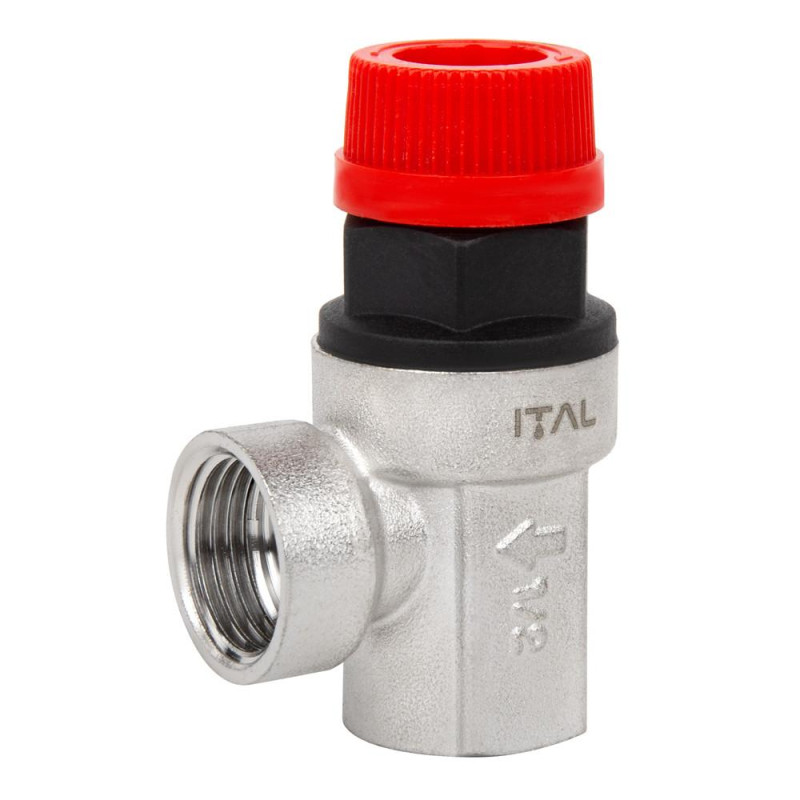
Safety valve ITALGAS IT01-01603, female-female, 1.5 bar, 1/2", nickel
SKU: 1055662
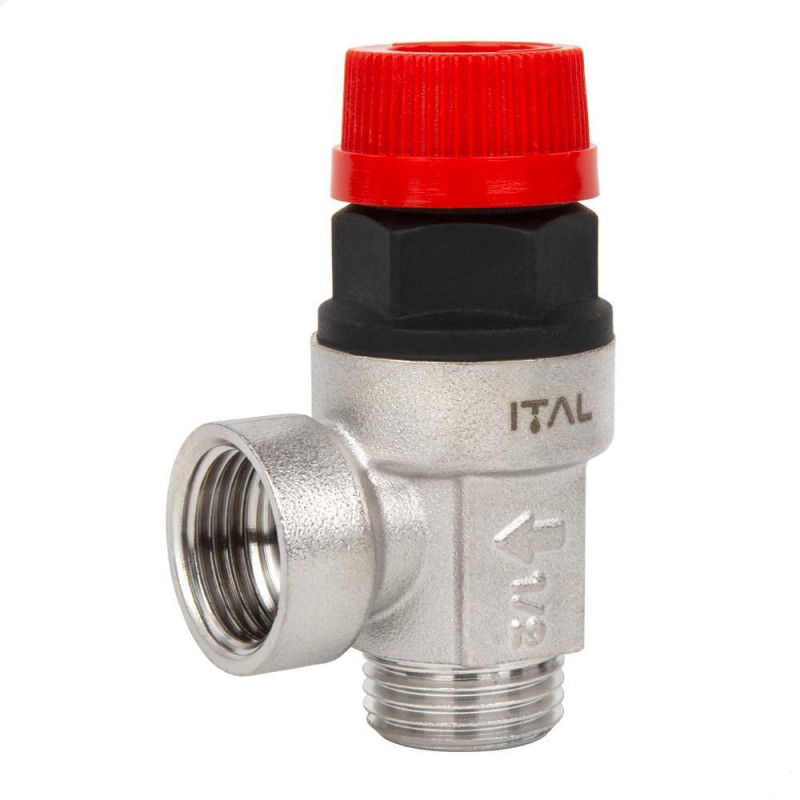
Safety valve ITALGAS IT01-03603, female-male, 1.5 bar, 1/2", nickel
SKU: 1055659
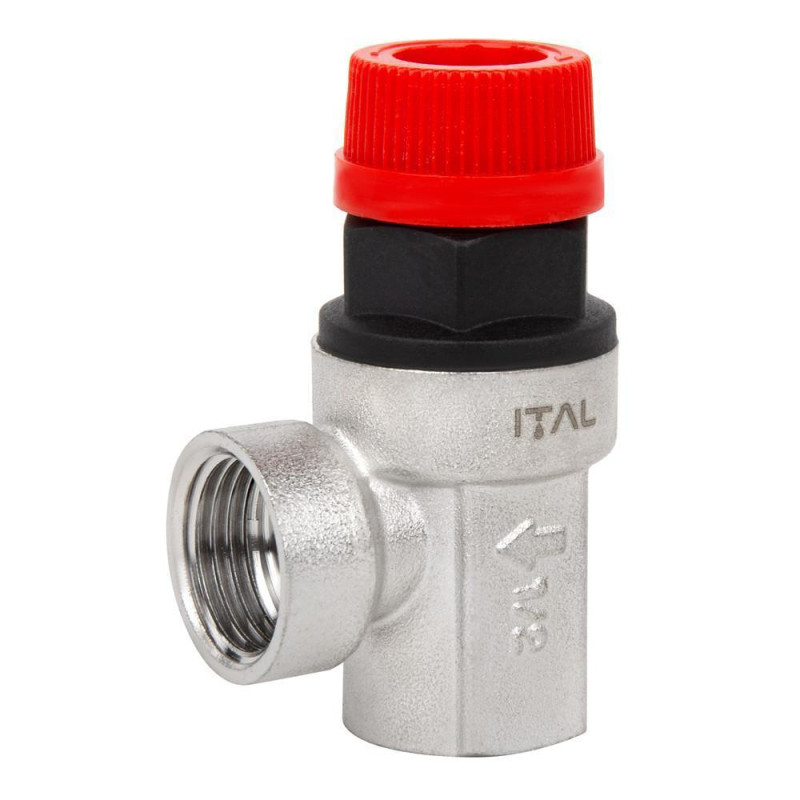
Safety valve ITALGAS IT02-01603, female-female, 2.5 bar, 1/2", nickel
SKU: 1055663
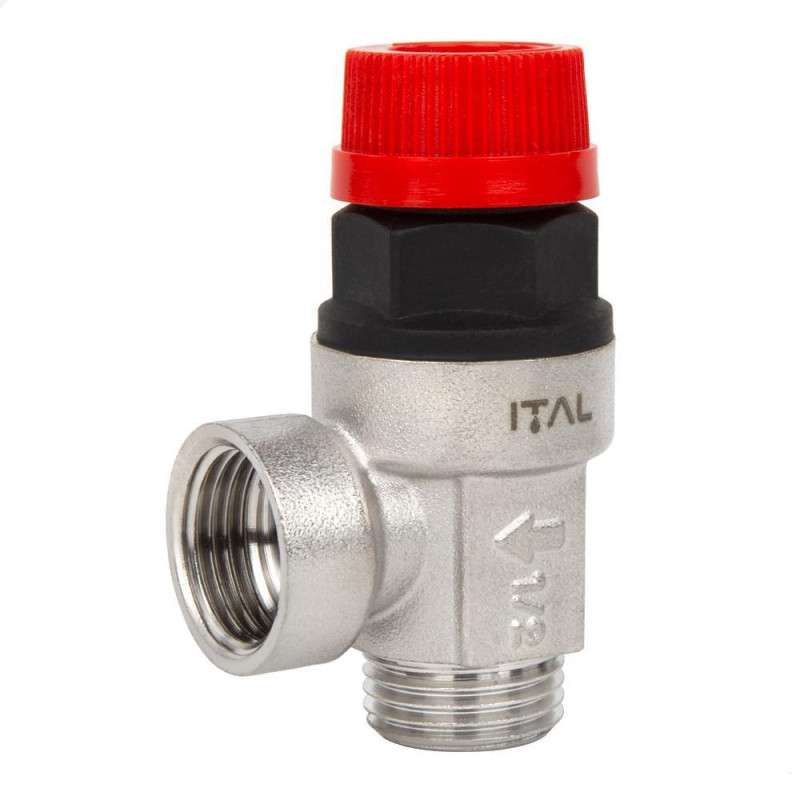
Safety valve ITALGAS IT02-03603, female-male, 2.5 bar, 1/2", nickel
SKU: 1055660
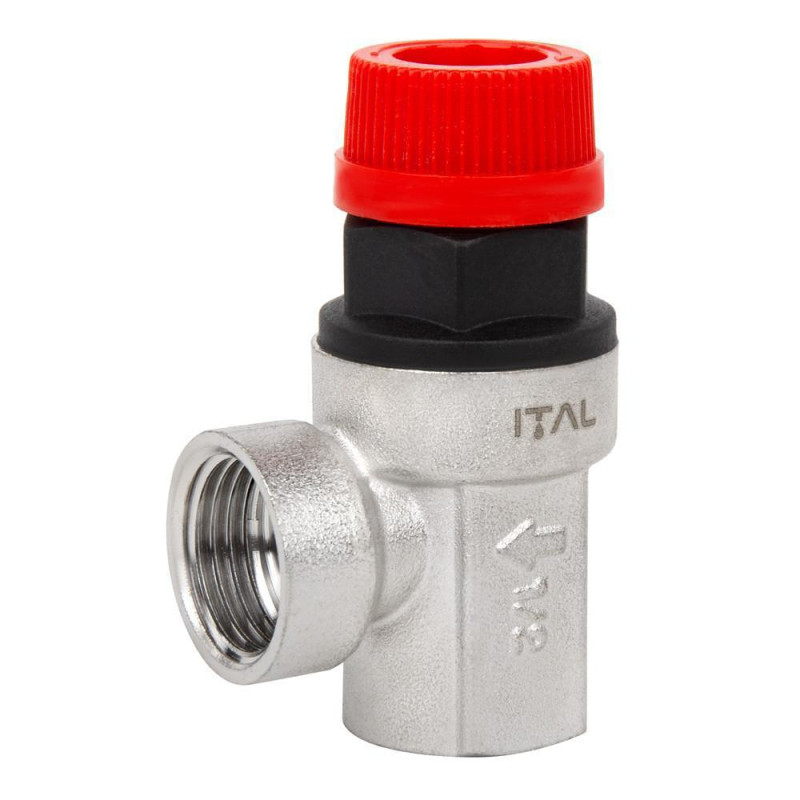
Safety valve ITALGAS IT03-01603, female-female, 3.0 bar, 1/2", nickel
SKU: 1055664
Safety Equipment (Boiler Valve, Safety Valves)
The safety valve for boilers and water heating systems is a protective element in these devices. It is also installed in heaters or in water and gas pipes. The main function of such a valve is to prevent excessive pressure and the explosion of equipment or devices.
Types of Safety Valves and Their Structure
Safety equipment for water heaters from ITALGAS is divided into three types depending on the pressure relief method.
Mechanical. They open to release fluid under high pressure using a plug. Once the safety valve has released excess pressure and adjusted its temperature, it returns to its original position thanks to a well-calibrated spring mechanism.
Electrical. These are valves with a pressure relay that allow control of the timing of the safety valve actuation at the required pressure.
Electronic. These valves have a mechanism with a sensor that sends a signal to the control system. The system decides which valve to open to relieve excess pressure or temperature inside the equipment.
Dealer reviews of water heating system equipment and several aspects to consider when purchasing will help you make the right choice.
Selection Criteria
There are several factors to consider when selecting safety valves:
size and type of connection;
set pressure;
temperature;
back pressure.
The size of the valve must match the size of the inlet and outlet nozzles. Both the inlet and outlet pipes connected to the valve must be at least the same size as the inlet/outlet opening of the valve itself. Connection types are also important. For example, an NPT external thread or NPT internal thread connection?
Pressure relief adjustment should also be taken into account. Set pressure is the pressure at which the safety valve opens. The valve setting pressure must not exceed the maximum allowable working pressure (MAWP). This means the valve must open at the equipment’s MAWP level or lower. In turn, the maximum working pressure of the equipment must be at least 10% higher than the highest working pressure expected under normal conditions.
Temperature affects the volume and viscosity of the gas or liquid flowing through the system. Temperature helps determine the ideal construction material for the valve. For example, steel valves withstand higher operating temperatures than bronze or iron valves. Both operating and relief temperatures must be considered.
Back pressure, which can be constant or variable, is the pressure on the outlet side of the safety valve resulting from pressure in the discharge system. This can affect the setting pressure of the top valve and cause it to open repeatedly, which in turn may damage the valve.
For systems with variable back pressure, valves should be selected so that the back pressure does not exceed 10% of the set pressure. For systems with a high level of constant back pressure, a bellows-sealed valve or a pilot-operated valve may be required.
Advantages of ITALGAS Equipment
Wholesale supplies of ITALGAS safety valves are an opportunity to obtain high-quality products at competitive prices. By contacting official dealers, you receive a manufacturer’s warranty for the purchased goods. In addition, the company provides technical support.
Thus, safety valves for boilers play an important role in ensuring the safe use of heating devices. Check the catalog and range of safety equipment for ITALGAS boilers to find everything you need for reliable and safe operation of your equipment.
Comprehensive protection of heating systems includes special safety groups.